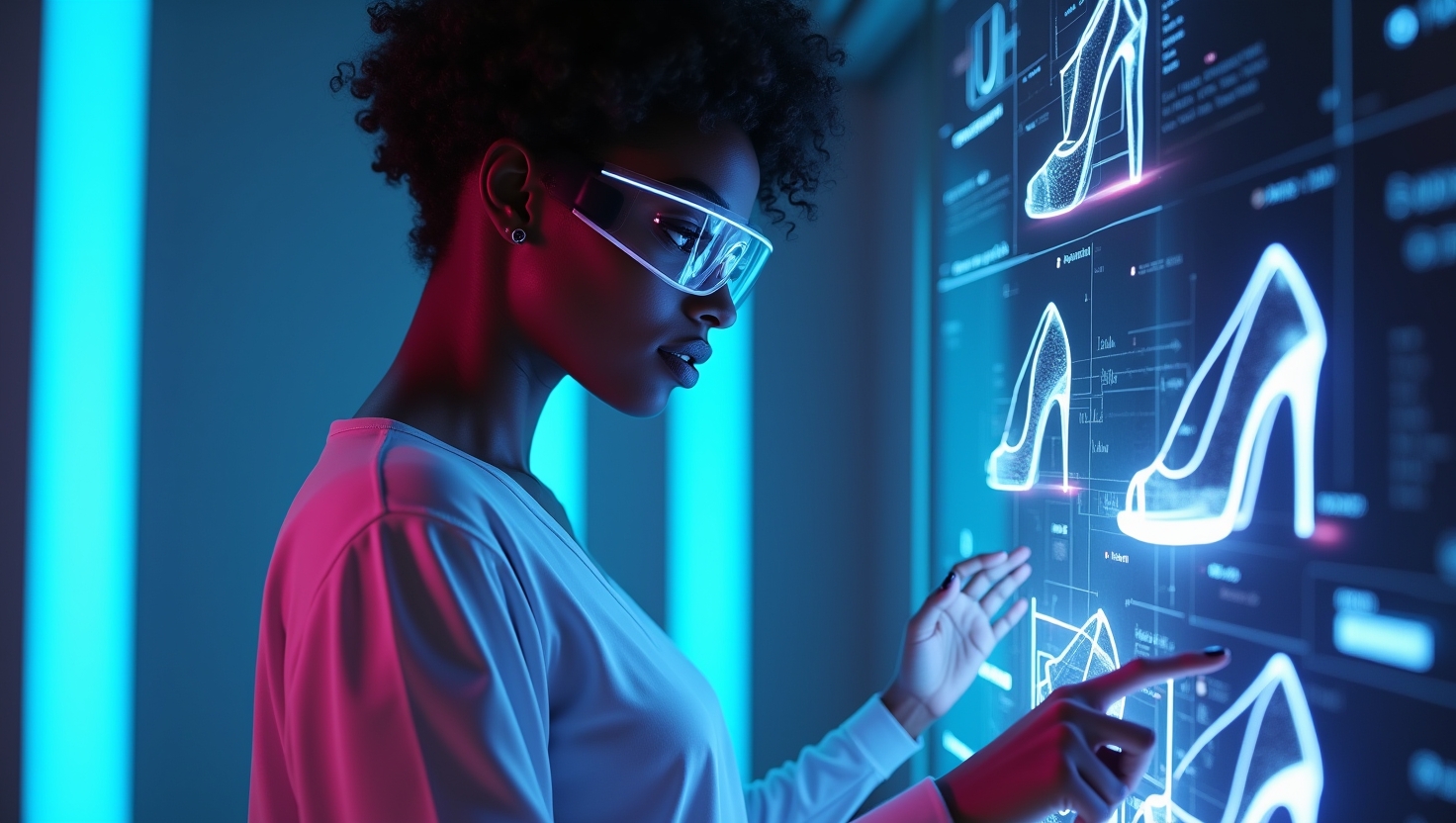
Why Google Try-On Is About to Change Everything in Online Customer Engagement
Introduction
Imagine being able to try on products virtually, right from the comfort of your own home, seeing precisely how they look on you before committing to a purchase. The convenience is unmatched, particularly in an age where online shopping is indispensable yet often lacks the tactile and visual assurance consumers crave. This hesitation frequently results in abandoned carts and missed opportunities. But imagine a world where Google’s innovative Try-On technology steps in, revolutionizing the way we engage with brands online by bridging this very gap between physical and digital shopping experiences.
Background: The ‘Why Now’
In a time marked by rapid shifts in consumer behavior, the rise of e-commerce has been notably accelerated, a trend further catapulted by recent global developments, such as the COVID-19 pandemic. Consumers have become reliant on online retailers, pushing the industry to innovate like never before. This coincides with remarkable advancements in augmented reality (AR) technologies, making virtual try-on experiences not just possible, but startlingly realistic and accessible.
Simultaneously, the competitive landscape of online retail has intensified, prompting brands to adopt innovative engagement tools to attract and retain customers. Enter Google, whose foray into Try-On technology signifies a watershed moment for AR’s widespread adoption in the shopping domain. Google’s entry translates into an expansive opportunity for all retailers to upgrade their online engagements, offering a vivid and personal shopping experience that resonates deeply with users.
The Core Strategy: Google Try-On Deep Dive
Google’s Try-On strategy is transformative, based on several key components that redefine user interaction with retail platforms:
Seamless AR Integration
Google’s cutting-edge technology allows for seamless integration of virtual try-on features that enhance user experience without interruption. This ease of use ensures that customers can enjoy these high-tech features smoothly, thereby increasing the likelihood of conversions. It allows a virtual representation of products to overlay the user in real-time, ensuring an interactive session that closely mimics physical interaction with the product.
Personalization and Real-Time Visualization
Beyond being merely fun to use, Google’s Try-On provides a deeply personalized shopping experience. Interactive previews build user confidence by giving them a clear vision of how products will look, dramatically reducing uncertainty and consequently increasing purchase likelihood. This personalization is a powerful driver of consumer satisfaction and loyalty, making it a potent tool for enhancing customer engagement.
Data-Driven Engagement Insights
Retailers can leverage robust interaction data provided by Google Try-On to fine-tune their marketing strategies and product offerings. This data-driven approach helps in tailoring the shopping experience to meet the specific needs and preferences of customers. According to a report from Search Engine Land, data insights from AI technologies can increase productivity by up to 40% [source: https://searchengineland.com/how-to-get-smarter-with-ai-in-ppc-463120], illustrating just how critical such analytics can be.
Cross-Platform Reach
Google’s Try-On is not restricted to a single platform. It extends across apps, search engines, and ads, ensuring that virtually every customer touchpoint can be maximized. This cross-platform reach amplifies the potential pool of engaged users, creating a comprehensive and cohesive customer journey that enhances brand visibility and interaction.
Actionable Insights & Pro-Tips
For retailers looking to harness the power of Google Try-On, here are pragmatic strategies to implement:
– Early Integration: Encourage adopting Google Try-On at the outset to secure a competitive edge in the crowded e-commerce space.
– AR-Ready Product Listings: Ensure that product listings are optimized with AR-compatible assets to enhance user interactions and engagement.
– Leverage Analytics: Use insights from Try-On data to refine audience targeting and craft compelling marketing messages.
– Combine with Interactive Advertising: Integrate Try-On features with engaging advertising campaigns to create immersive brand experiences that captivate consumers and drive conversion.
Future Outlook & Predictions
Looking ahead, the potential of Google Try-On is vast:
– AI Integration: Expect further customization of try-on experiences via AI enhancements, allowing for even greater personalization based on user data.
– Diverse Product Application: Expansion beyond fashion and eyewear into a wider array of product categories is likely, opening new markets for AR innovation.
– Increased ROI: AR-enabled customer journeys promise increased ROI by cultivating stronger customer loyalty and repeat sales.
– Revised Marketing Budgets: Interactive AR technologies are expected to become priority investments within digital marketing budgets, reflecting their importance in modern retail strategy.
Conclusion & Call to Action (CTA)
As Google Try-On stands poised to redefine the dynamics of online customer engagement, the technology paves the way for more immersive and trustworthy virtual shopping experiences. Retailers and marketers who embrace this advancement early can expect substantial rewards in terms of sales growth, heightened engagement, and boosted customer satisfaction. To stay ahead in the digital commerce race, it is imperative that businesses explore integrating Google Try-On today, effectively transforming the customer experience into something extraordinary.
For those ready to lead the charge in this digital revolution, the next step is clear: integrate, adopt, and innovate with Google Try-On. Embrace the transformation and set your brand apart in the evolving landscape of online retail.
Citations: Search Engine Land: How to Get Smarter with AI in PPC, Search Engine Land: Google Virtual Try-On Shoes Expands Internationally.