Why AI-Powered Creative Design Tools Are About to Change Everything in Digital Art Creation
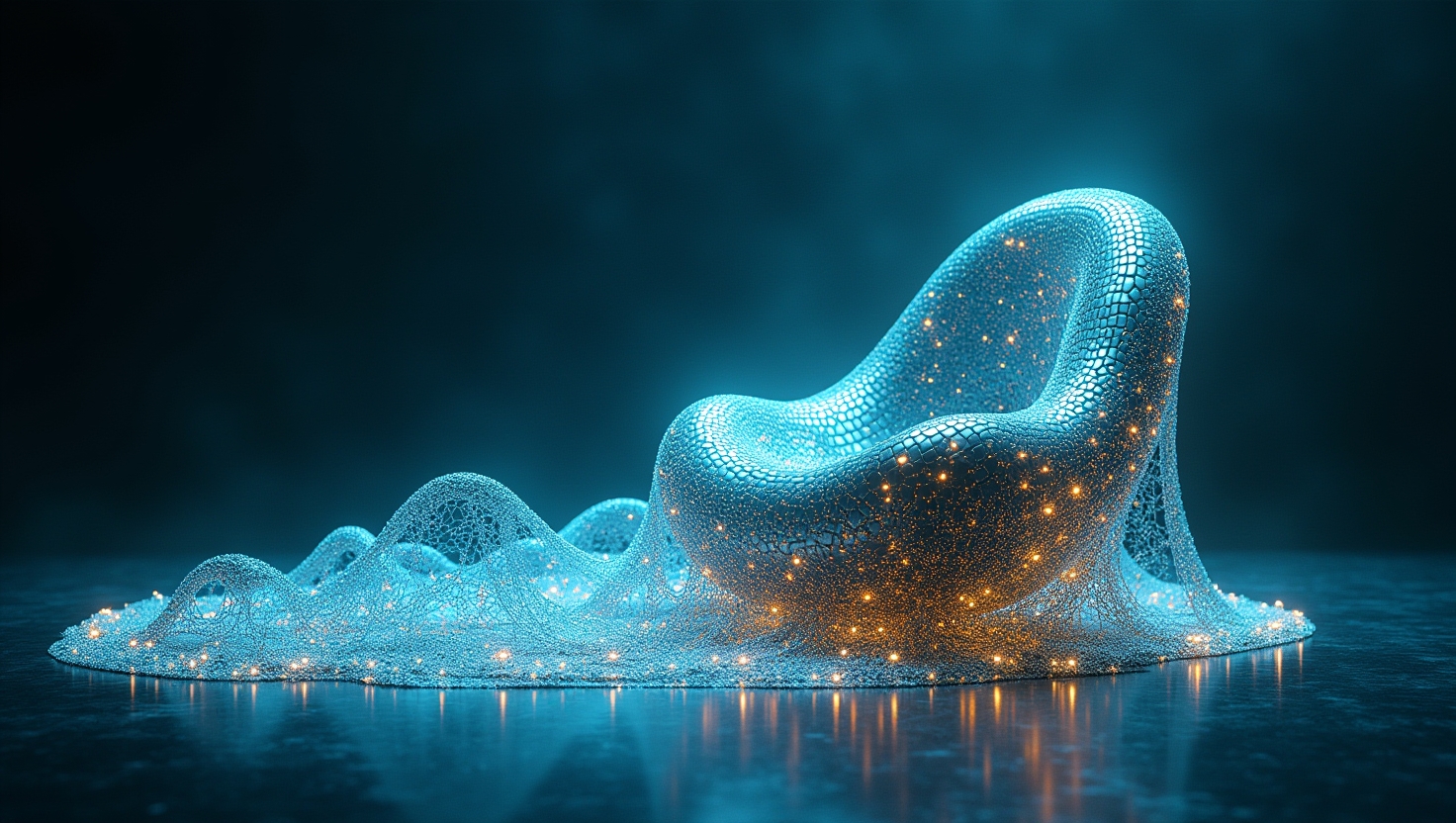
In the expansive and ever-evolving landscape of digital art, the advent of AI-powered creative design tools marks a significant turning point. Imagine: a collaboration between Google DeepMind and renowned designer Ross Lovegrove yielded a chair design crafted using generative AI and materialized through metal 3D printing. This synthesis of technology and creativity exhibits how AI can transcend traditional design boundaries and set a new paradigm for artistic endeavors. As AI technology rapidly evolves, its impact on digital art creation becomes more profound, offering fresh possibilities while redefining the roles and processes of modern artists and designers.
Introduction
As AI technologies continue to advance at breakneck speed, we are witnessing an unprecedented transformation in creative design. AI’s burgeoning role in this domain is not just altering how art is created but reshaping the very concepts of creativity and design. AI-powered design tools, leveraging innovations in machine learning and generative models, are enabling artists to push the boundaries of traditional methodologies. This article explores the transformative potential of AI in creative design, its implications for artists and designers, and the imperative to embrace this change to stay at the forefront of innovation and creativity.
Background: The ‘Why Now’
AI development tailored specifically for creative design has surged recently, driven by groundbreaking advancements in machine learning and generative AI models. This momentum results from a perfect storm: accessible technology, substantial computational power, and a burgeoning demand for innovative solutions. Designers and artists are feeling industry pressures to meet escalating consumer expectations for more personalized, adaptive, and intricate designs. In response, many are reevaluating their traditional workflows, aiming to integrate AI to enhance efficiency, creativity, and interactivity in their work.
The Core Strategy: Breaking Down AI’s Transformation of Creative Design
1. Enhanced Creative Freedom Through AI Assistance
AI tools provide artists with unprecedented creative freedom by diminishing technical barriers traditionally encountered in design. Generative AI models, such as those used by Google DeepMind, empower artists to explore complex designs by automating the translation of imaginative concepts into viable prototypes. This augmentation allows for the exploration of new styles and complexities that would be challenging to achieve manually, all while maintaining the designer’s creative essence.
2. Automation of Repetitive Tasks
AI excels at automating mundane and repetitive tasks that consume valuable time. In design processes, this includes routine activities like layout modifications, color matching, or asset generation. By delegating these tasks to AI systems, artists can focus more on ideation and creative development, streamlining workflows and increasing productivity. This automation not only saves time but also leads to higher consistency and accuracy in design outputs.
3. Collaborative Intelligence
The synergy between human creativity and AI-generated suggestions opens up new avenues for innovation. As demonstrated by the partnership between Google DeepMind and Ross Lovegrove, this collaboration can lead to exceptional and inspiring design outcomes. AI acts as a co-creator, offering novel ideas and alternatives that human designers might not naturally conceive, stimulating creative processes and enabling designers to reach beyond conventional boundaries.
4. Personalized and Adaptive Design
AI’s ability to tailor designs based on audience preferences and real-time feedback is transforming the way we create and interact with digital content. By analyzing user data, AI can generate personalized designs that resonate with individual audiences, providing bespoke experiences that enhance user engagement and satisfaction. This adaptive capability positions AI as a pivotal force in creating more dynamic and audience-centric designs.
Actionable Insights & Pro-Tips
To successfully integrate AI into creative workflows, it is essential to approach the transition strategically. Artists should evaluate AI design tools based on their specific project needs, ensuring they enhance rather than overshadow the creative vision. Maintaining artistic authenticity is key; AI should augment creative processes without diluting the designer’s unique voice. Continuous learning and adaptation are also vital for artists to stay ahead of technological advancements and harness AI’s full potential in their creative endeavors.
Future Outlook & Predictions
The future of AI in creative design is teeming with possibilities. Trends such as AI-driven real-time collaboration, hyper-personalization, and seamless integration into mainstream design suites are on the horizon. While the potential is vast, challenges remain, including ethical considerations, copyright issues, and the delicate balance between AI and human input. As AI tools become more embedded in creative processes, new roles and skillsets will emerge, requiring designers to adapt and expand their technological and creative prowess.
Conclusion & Call to Action (CTA)
In conclusion, AI is not merely a tool but a revolutionary force catalyzing unprecedented creativity and efficiency in the creative industry. As AI continues to evolve, it will enable artists to achieve feats previously thought impossible, broadening the horizons of what’s creatively achievable. To remain competitive and innovative, professionals in the creative industry must proactively embrace AI-powered design tools. We encourage you to experiment with these emerging technologies and share your experiences and questions in the comments below. By doing so, you will not only enhance your creative capabilities but also contribute to the shaping of the future of digital art creation.
For further insights, explore the groundbreaking collaboration between Google DeepMind and Ross Lovegrove, highlighting AI’s transformative potential in design: Google DeepMind Collaboration.